Freely makes it easy to watch great live and on-demand TV, all in one place. As the new kid on the block —now available built-in on a wide range of Freely TVs— it often gets compared to Freeview, with many people wondering: what’s the difference between the two?
Both platforms give you free access to the UK’s biggest channels, but they provide different features, and that means you're in for a different viewing experience, too.
Our guide explains how each one works, what you can expect as a viewer, and how to decide which option is right for you.
At a glance: Freely vs. Freeview
| Feature | Freeview | Freely |
| How it works | Receives live TV through an aerial | Streams TV over Wi‑Fi |
| Do I need an aerial? | Yes | No |
| Live TV | ✓ | ✓ |
| On-demand TV | Limited by platform/device | Integrated alongside live TV |
| Watch from the start | Limited by platform/device | Built-in Restart functionality |
| TV guide | Traditional TV guide | Combines live and on-demand TV in one experience |
| Extra streaming-only channels | ✕ | ✓ |
| Picture quality | Depends on broadcast signal and reception | Can support HD and 4K content where available, subject to broadband speed |
| Service is available on | TVs with an aerial connection | Freely built-in TVs and streaming devices |
| Best for | Homes relying on aerial TV or with limited broadband | Homes wanting live and on-demand TV together over Wi‑Fi |
Freeview: TV you receive through an aerial
Freely and Freeview both provide free TV, but the first thing to know is that they deliver this experience in different ways. Freeview delivers live channels using digital terrestrial broadcast. In simple terms, that means your TV uses an aerial to receive the signal.
Freeview still offers a straightforward way to watch live TV. Having an aerial in good condition and reception in your area means you can access a reliable service.
If you want to watch anything on-demand, you can switch into the broadcaster apps such as BBC iPlayer, ITVX, Channel 4, or 5, but those apps sit separately from Freeview itself.
On Freeview Play TVs or recorders, some live and on-demand content is available using your internet connection, although the experience is still different from Freely’s all-in-one, Wi-Fi only setup.
How does Freely work?
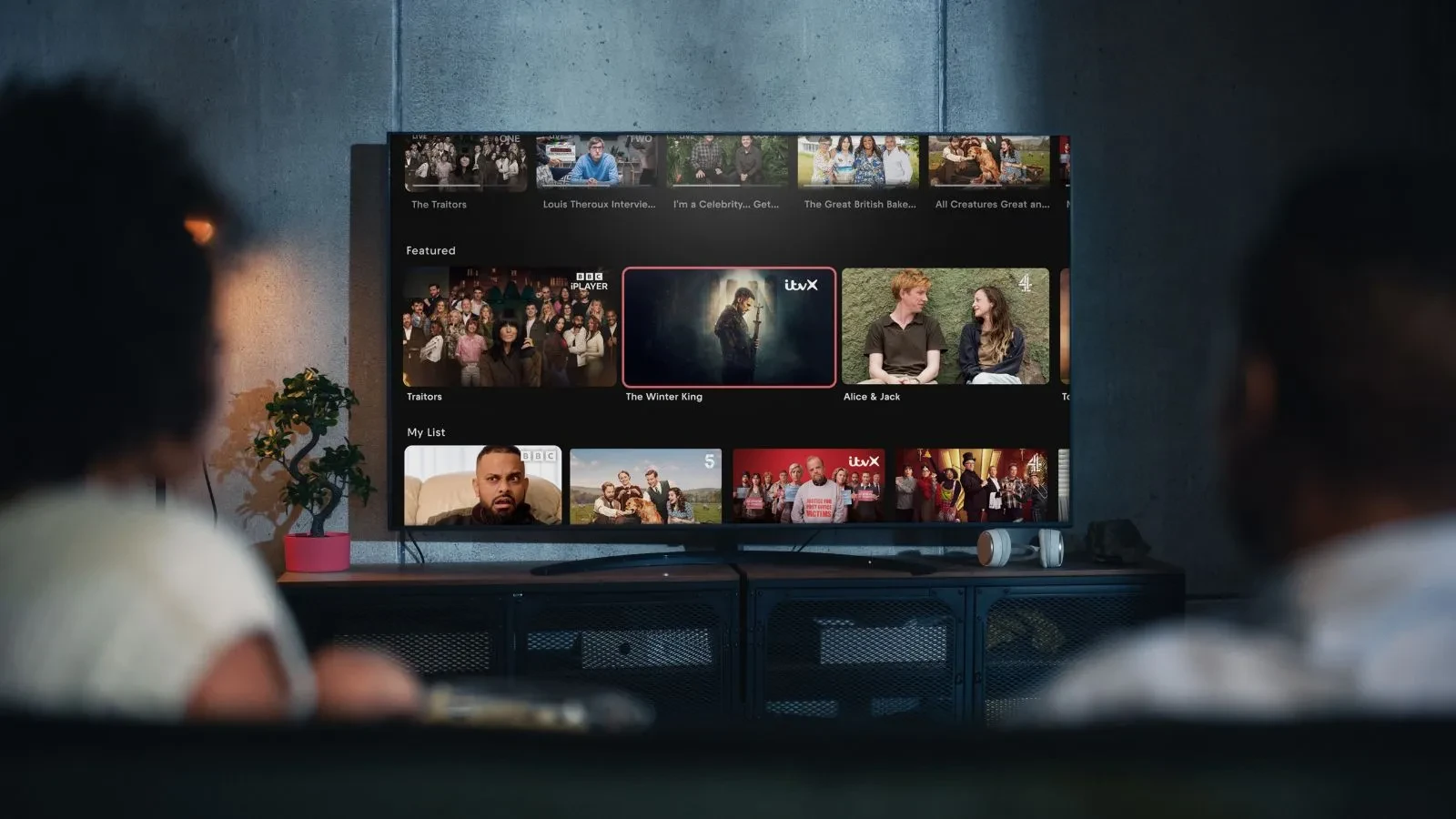
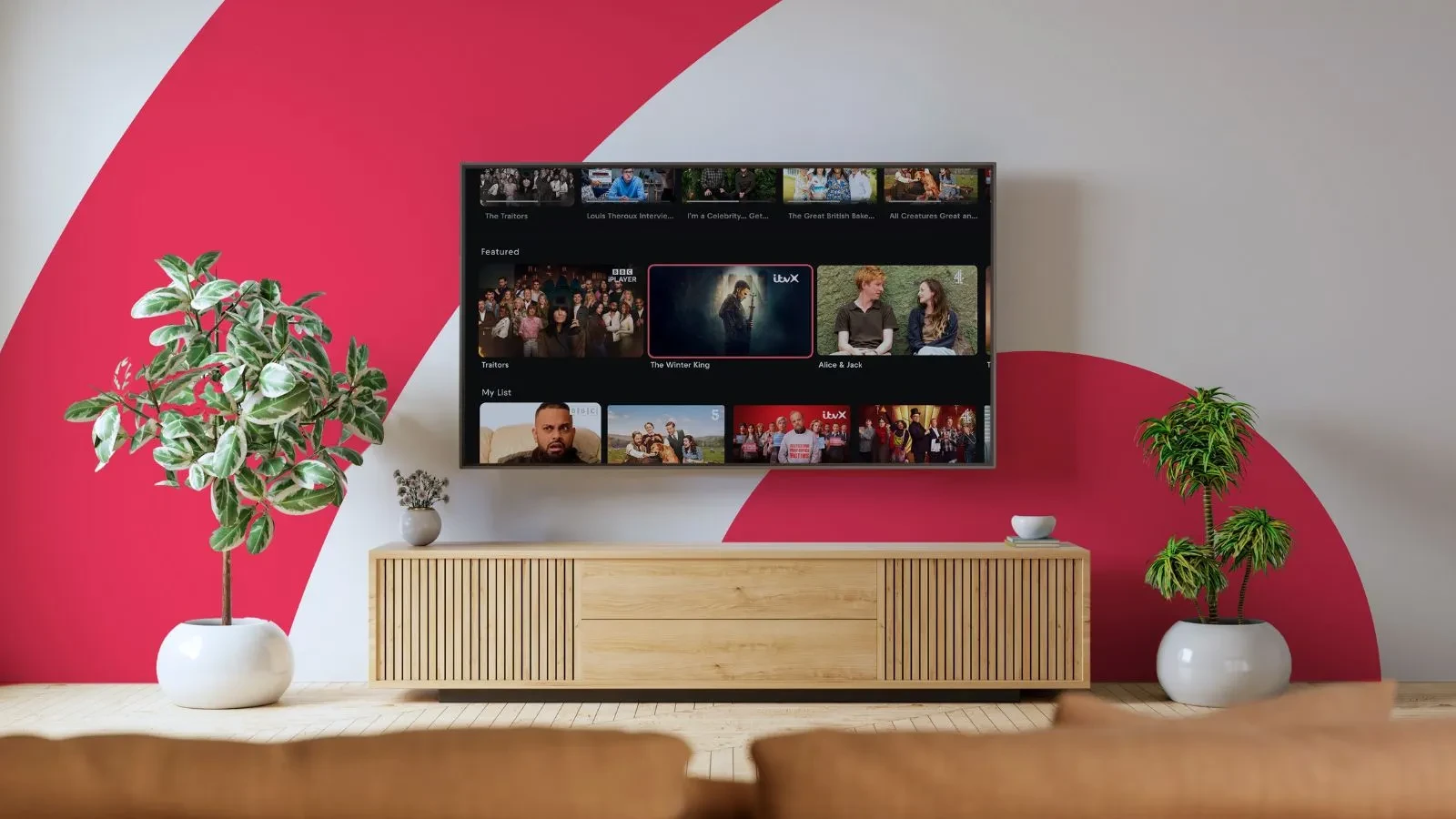
Freely is the smart way to watch free TV. You can stream live channels over your internet connection, with no need for an aerial. It’s designed specifically for the future of TV, where live and on-demand sit together in one place.
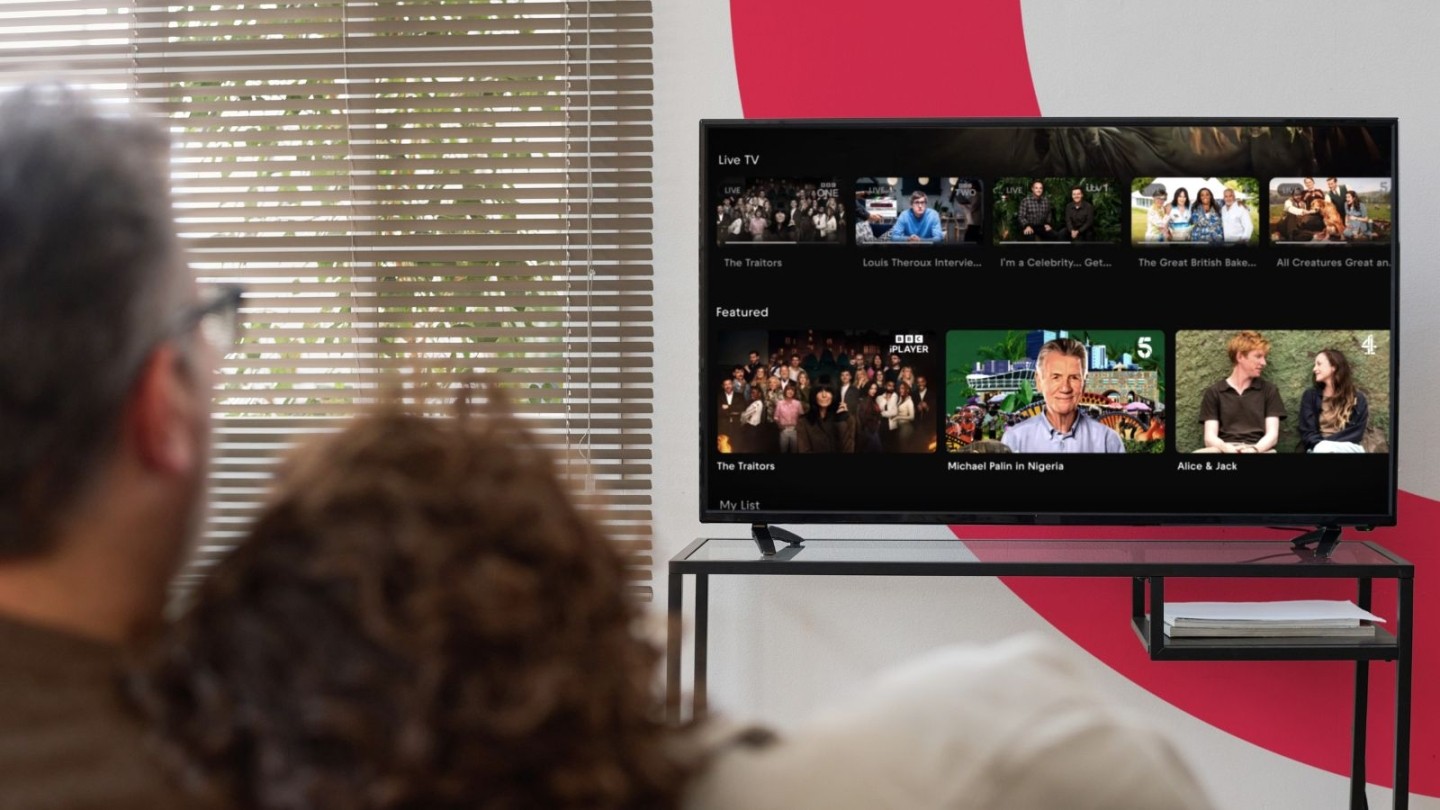
With Freely, you browse live channels and on-demand shows through the same interface. You can jump from a live programme into earlier episodes, pick up a show from the beginning with a single press, and switch between services easily.
Crucially, Freely doesn’t require an aerial at all. As long as your broadband is fast enough (10 Mbps or more is required), you are ready to go. This makes it a strong option for homes where aerials are old, damaged, or simply difficult to install, and it means that you can set up your TV in the room you want it, even if it doesn’t have an aerial port.
While it’s not essential, you can also connect your TV via aerial to include even more channels on Digital Terrestrial Television (DTT). These channels will show on the Freely TV Guide on your TV. Check out the full channel line-up on our online TV Guide.
Freely is also available not just on many newer TVs, but can also be accessed using a streaming device, meaning you can bring the Freely experience to older screens without replacing your whole TV.
Freely vs Freeview: which channels do you get?
Both Freely and Freeview give you access to Britain’s favourite channels. However, things like your home setup and broadband speed might help you decide which one fits your life best.
Freely delivers more than 70 live TV channels, including 35+ in HD, giving you more high‑definition choice than Freeview’s nine. It also provides over 75,000 hours of on‑demand programming across services like BBC iPlayer, ITVX, Channel 4, 5, and others. Because Freely is built around streaming, you’ll also find some extra streaming-only channels from ITV, Channel 4 and Channel 5 that aren’t available on Freeview.
On Freeview, channels appear in the traditional broadcast order you may already know. You get the channels your aerial can receive, and picture quality varies based on what’s being transmitted in your area. Freely, on the other hand, blends streamed and (where connected) broadcast channels into a single list.
Freely can also deliver much sharper consistency and supports up to 4K Ultra HD for select content, depending on how fast your internet connection is. Freely’s channel line-up is growing, with more channels being added over time, including exclusive channels that are not available on Freeview. These sit neatly alongside the familiar favourites.
What do you need to watch Freely and Freeview?
Do you need the internet?
Freeview works with no internet at all. If broadband in your home is slow, unreliable, or heavily capped, Freeview might be the safer choice for watching live TV. Note that you will still need an internet connection to watch on-demand content.
Freely relies on your internet connection (10 Mbps or more is required) to stream consistently. A reasonably fast and stable connection is important, and homes with thick walls or tricky layouts may benefit from stronger Wi-Fi.
Do you need an aerial?
Freeview remains available on a vast range of TVs with an aerial input. You can also access live TV and on-demand content without one via Freeview Play.
Freely is found on a growing list of new smart TVs from brands such as Hisense, Bush, JVC, TCL, Toshiba, Panasonic, Philips, Roku TVs and more — with wider support continuing to roll out across the market. Older TVs won’t update to Freely automatically, but the new Freely streaming devices mean you don’t need to replace your TV to get started.
Do you need a TV licence?
You need a TV Licence if you watch or record live TV on any channel or service, or use BBC iPlayer — so yes, this applies to both Freely and Freeview. In some cases, you may be eligible for a discounted licence. Find out whether you are eligible, and other important information about TV licences, in our guide.
How to watch even more
With both Freely and Freeview TVs, you can also top up your viewing with subscription streaming services such as Netflix, Disney+ or Prime Video, depending on the apps available on your TV.
Is Freely replacing Freeview?
Freeview and Freely are different ways of watching free TV. Freeview mainly works through an aerial, while Freely uses Wi‑Fi. Today, both services are available and meet different viewer needs. Freely is designed for connected TV viewing, bringing live and on-demand TV together in one place.
The big picture
Whether you choose Freeview or Freely, you'll enjoy free-to-air television from the UK's major broadcasters. The key difference is how your TV is delivered: Freeview uses an aerial, while Freely uses your broadband and Wi‑Fi connection to bring live and on-demand TV together in one place. For viewers looking for a connected TV experience without an aerial, Freely offers a simple way to enjoy great free TV.