If your idea of a good time involves epic landscapes, heart-racing moments and a whole lot of “did that really just happen?!” – then you’re in exactlyyyyy the right place.
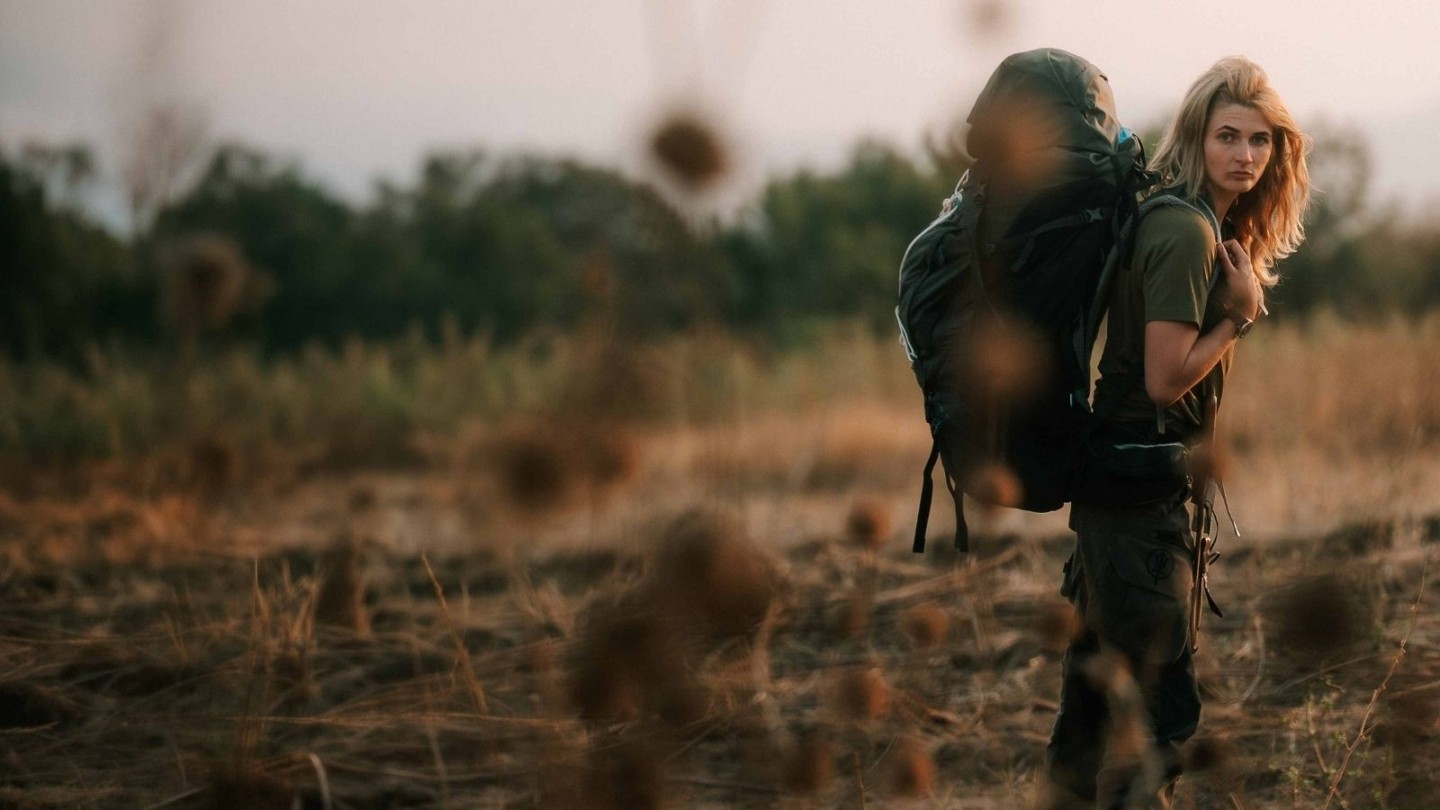
Explorer and filmmaker Lucy Shepherd is back with Secret Africa, and trust us… this isn’t your typical glossy travel series. It’s raw, real and seriously gripping.
At Freely, we’re always up for a proper adventure, so we jumped at the chance to catch up with Lucy to talk all things Secret Africa – from silently standing there while lions roar at you (yes, really) to building relationships with remote communities and capturing it all through her own lens.
So, what really goes on behind the scenes of a self-filmed expedition across one of the wildest places on Earth?
An interview with Lucy Shepherd on Secret Africa: Into the Wild:
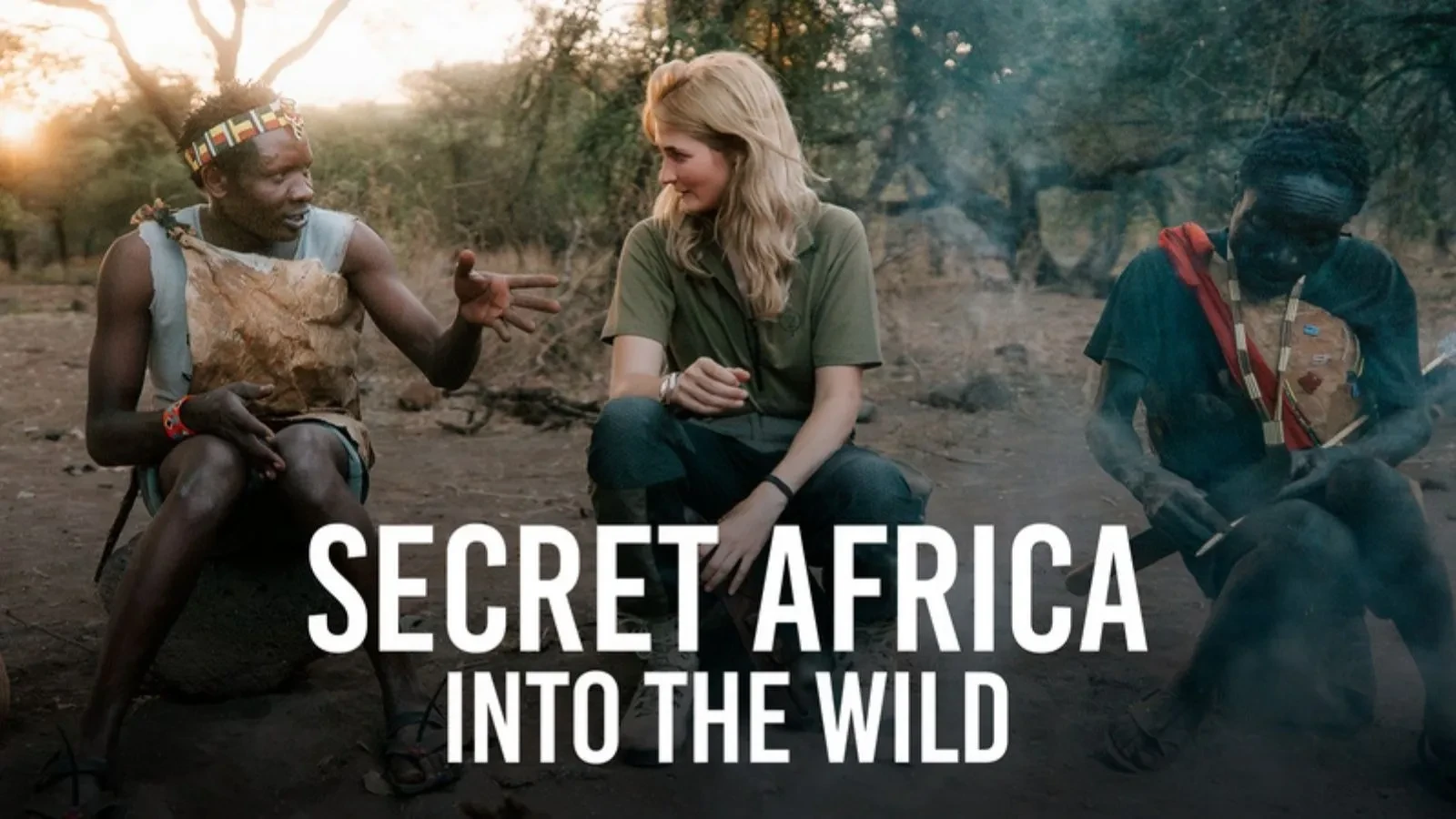
What are some of the big differences between your experience of making this program compared to making Secret Amazon?
Secret Africa was commissioned beforehand. Secret Amazon was hugely risky because it got commissioned afterwards. In TV especially, you really have to fight to keep the authenticity, which I’m very proud to say we did with Secret Africa.
With Secret Amazon, we had this mobile board… it was so raw and so real, with so much jeopardy. But then it was like, how do we do that again when it’s commissioned beforehand? Because obviously TV companies don’t want you to put yourself in too much risk.
But I was able to find a way to keep every bit of it, there’s real danger, real risk… all of that. That was one of the things I worried about the most, and I’m proud to say we managed it. We kept it. I’m so proud of the series!
The biggest difference, I would say, is visual. It’s incredibly diverse. We move through so much different terrain – it’s rich in wildlife and in ancient wisdom. This is real wilderness: huge areas where no one is, but also communities living right on the edge of the wild. What does that look like? We go through dense forests, lowlands, dry lands… across the Serengeti then into the highlands and volcanoes. Visually, it’s a real treat. Rather than being in dense jungle, feeling claustrophobic the whole way.
Can you talk a bit about some of the people that helped you make this possible, such as the Hadza and Akie tribe?
Another difference between Africa and Amazon was that I didn’t have a friendship with them beforehand. So I spent a few days with a camera person before the expedition began, so it wasn’t me meeting people for the first time and immediately putting a camera in their face… That gave me time to build relationships.
I had recommendations for the Hadza, but with Moses from the Akie, we didn’t have anyone lined up – we didn’t even know where the Akie were going to be. We found him as we went.
You can’t do an expedition like this alone. Everyone brought different skills.
Dilali from the Hadza was Julius’s son – an expert hunter-gatherer. Julius was essential when we crossed the Serengeti. His knowledge of moving with the wind meant that if you got too close to sleeping lions, you could walk quietly past them… which happened a few times.
I was really keen to find someone from the Akie because of their traditions – this kind of magic they use in the wild […], chanting on a special stick at night that supposedly makes the camp disappear from wildlife. So Moses was in charge of that.
And then there was Winnis. He wasn’t a hunter-gatherer, but he was from Tanzania, spoke many languages, and acted as a peacekeeper when we moved through different areas.
I think it’s amazing that you just went with the flow. You knew one person and then you go and you get to meet so many other people who then go with you on this adventure. I think that's just absolutely beautiful.
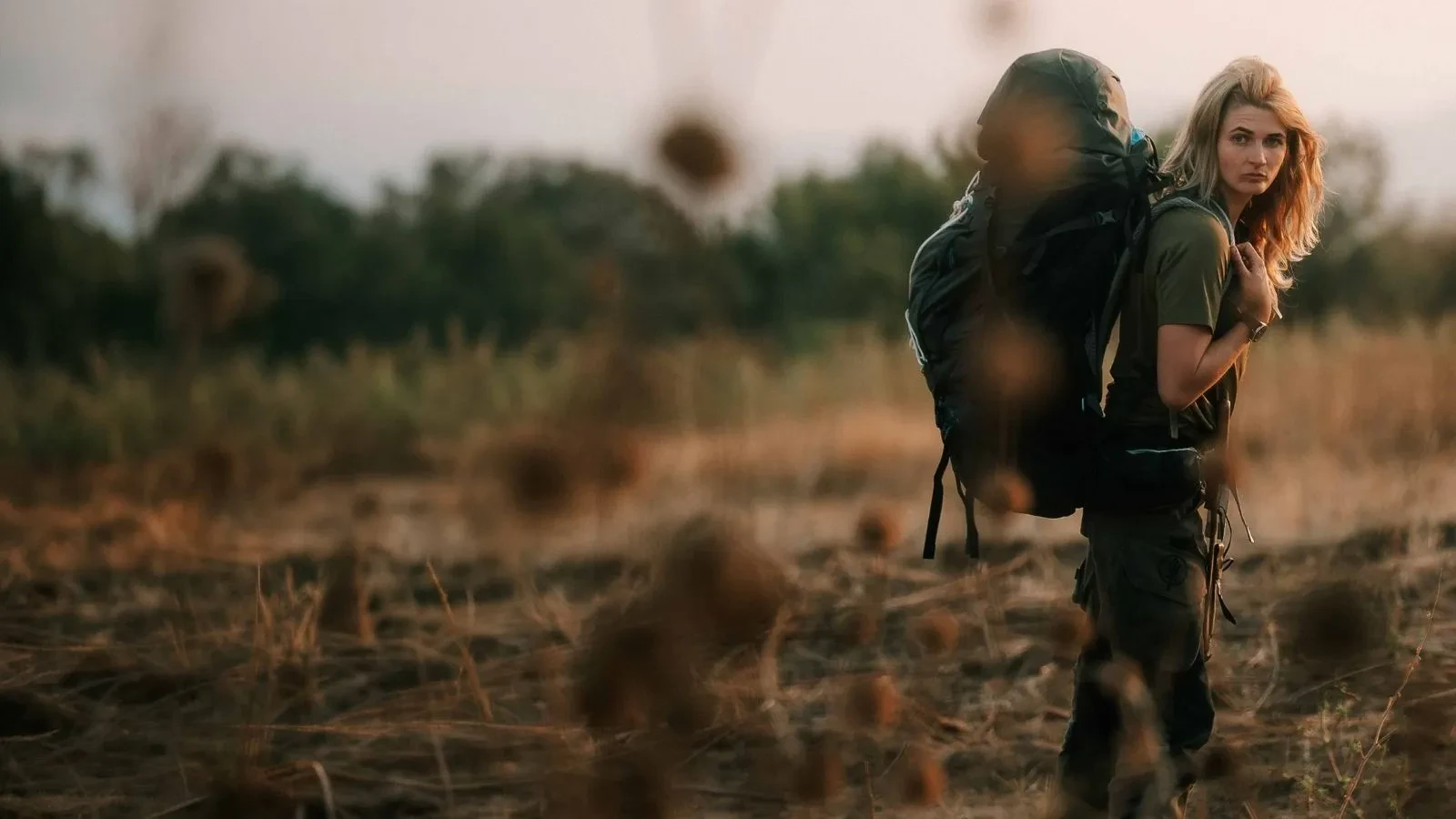
Yeah, I think the big advantage of the way I do it is that these expeditions are so long… there isn’t a press, and there isn’t really an end point. It’s like, this is going to take as long as it’s going to take.
That flexibility beforehand means there’s no call sheet – no ‘we’ve got to shoot this, we’ve got to shoot that’. It just breathes and happens naturally, which means it isn’t glossy… it isn’t fake. You just have to trust the process.
And the thing is, on these adventures, things just happen – you have to be open to that. I’m not an expert in journeying through Africa […]. I’m learning with my team, filming as I go, and hopefully it feels like the viewer is on that ride too and learning at the same time
I think the benefit as well of having so much time, it's like an observational documentary. So kind of what level of authenticity do you think being self-filmed adds to the selling of these stories?
For me, it’s everything. One of the reasons I wanted to make these kinds of shows is because when I was growing up – around 14 or 15 – there were lots of expedition adventure shows, and then they kind of disappeared. My favourite moments were always when the camera crew left and there were these small sections where the person was on their own, filming themselves. That used to fill me with such excitement!
I love adventure shows, but for a long time I stopped watching them because they felt too sterile. You knew nothing bad was going to happen because there were doctors, production, all of that there. We live in a world now where it’s hard to trust what we’re seeing […] and that authenticity, in any kind of programming, is so key.
Self-filming really adds to that. Like you said, it’s more observational – you see things as they happen. And I actually prefer going self-filmed because if you even have one other person with you, when you’re around people you don’t know, it becomes ‘us and them’. When it’s just you, you have to become friends – you eat together, you live together, you’re a team.
And for me, self-filming is also a way of processing things. When you’re going through hard moments, talking to the camera is like talking to a friend – a release. You’re not thinking, this is going to end up on TV. You’re just on an adventure… and you forget about everything that comes after.
A lot of people will have pre-conceived views of Africa. What things about this programme might surprise people?
I think the richness of the landscape – in such a small area. One minute you’re in forest, the next you’re in dry lands…
But also the mix of people. One thing that really shocked me was the nomadic hunter‑gatherers. When you hear that phrase, you think, are they really? But they truly are. They trade using honey they take straight from trees – from African killer bees – by literally sticking your arm in and getting stung a lot. They don’t really deal with money.
And then right next door, you’ve got a pastoralist tribe with the newest smartphones. We live in this fascinating time where you’ve got one group trying to preserve tradition, and another where progress is right there alongside it. I found that really compelling.
I think overall it’s the diversity – the landscape especially. And also the Serengeti. People who’ve been there might know this, but I didn’t fully appreciate just how much wildlife there is. It’s like The Lion King. To walk across it is something else entirely… you really put yourself into the lion’s mouth.
What were your favourite animals that you saw?
Favourites are kind of tricky because… it was such a thrill to see lions in the daytime. It was not a thrill to see lions in the nighttime. There was one time where different prides of lions were coming closer and closer at nighttime, which got pretty hairy.
Julius, who’s the expert animal tracker, explained that with lions, at nighttime, you stay completely still and silent. That’s all you do. Because if you move at all, it’s like challenging them when they’re roaring at you. So you just let them roar at you… for ages. We had to have a weapon in the Serengeti, but at nighttime it’s no use when you’ve got ten lions surrounding you.
But then also giraffes – incredible creatures – and getting so close to giraffes was amazing. And then one day you’re walking along and there’s this random tortoise… you’re amongst all these huge animals and then you see this little tortoise wandering around, which was so lovely.
It was very special to be able to go into such a remote part of the Serengeti and have permission to walk across it.
I feel like you've already answered this question, but in a short summary, what makes Secret Africa different to other travel and adventure shows?
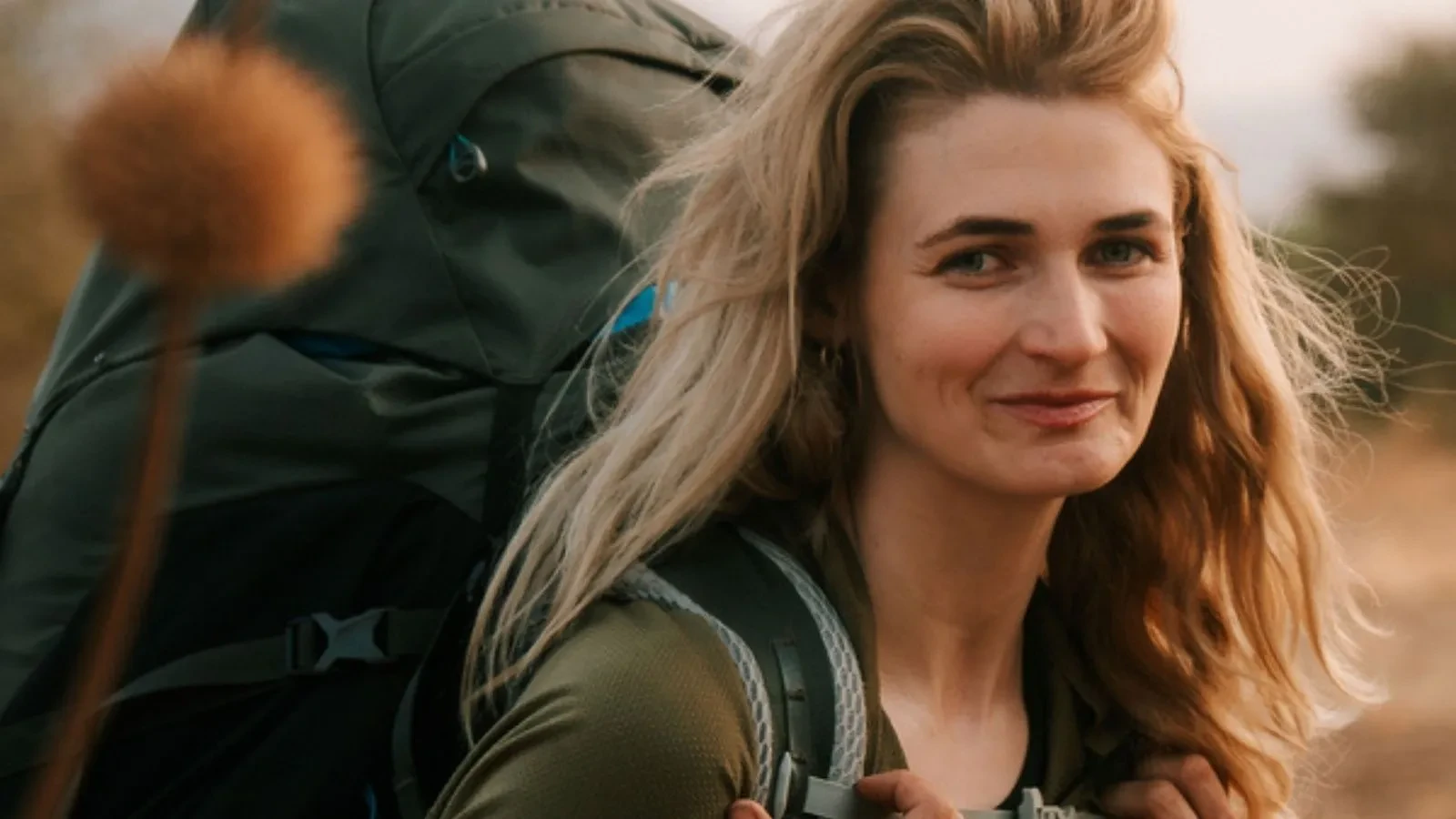
The realness, the authenticity, and the real danger. And it’s very heartfelt. It’s more than travel – it’s about shared humanity, and adventure being something that’s in all of us.
It’s about me and the team going on an adventure together, and what that looks like… the raw danger and the raw adventure, but also the raw relationships that come from going through it. The whole show is so much a part of me.
Most travel documentaries aren’t very emotional. I think this one is. I hope it gives people goosebumps, especially by the end. Every episode feels different, and it comes to a really beautiful close. That’s what I’m hoping people feel.
What would you say that you would love people to step away after watching and think?
I would say that these wild places still exist, and they're worth fighting for and that there's still so much magic left in the world.
And I've got one more question, what was your favourite thing about this experience?
Gosh, I haven't asked that yet, which is funny. I would say there were just moments where it wasn't easy. And there were times where the team was really struggling, especially when we weren't where they're used to. But everything sort of clicked once we got to the Serengeti. And even though we had to be alert as ever, when we're sort of moving together as a team in the day and able to sort of spot the wildlife – keep our distance and all that – which made it all just a real pinch me moment, I would say!
The trailer for Secret Africa: Into the Wild
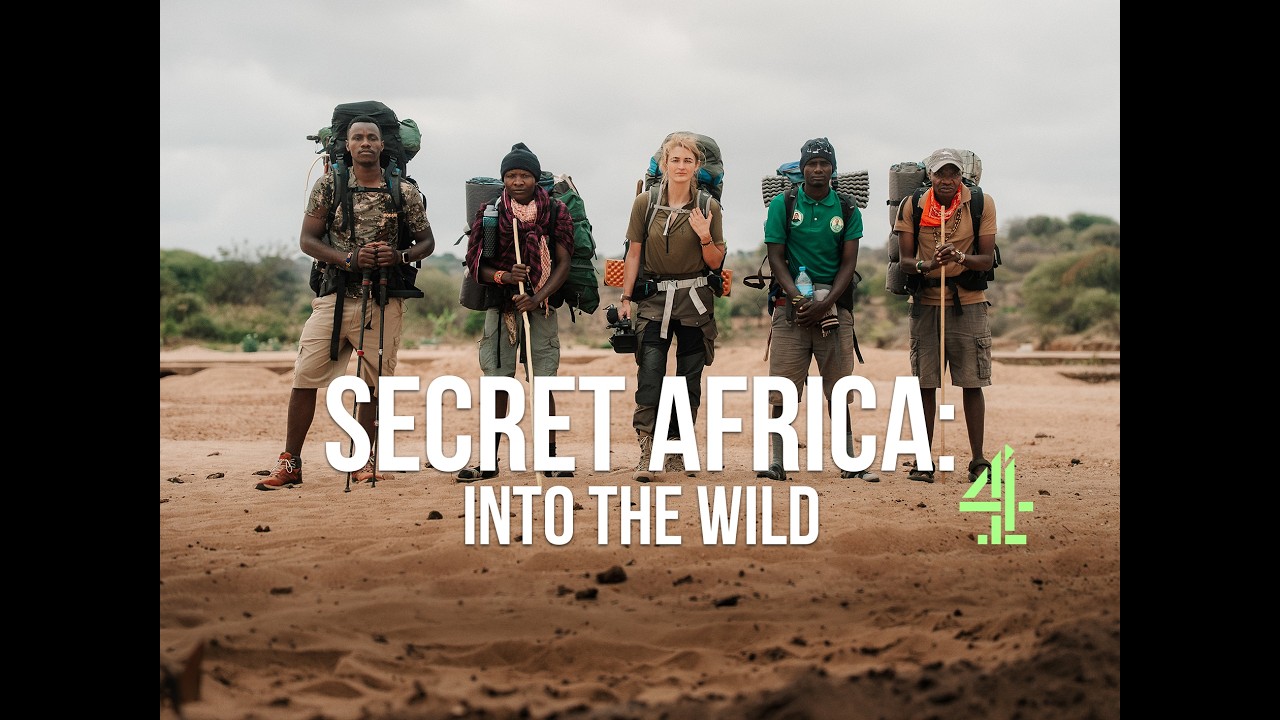
This third-party content is provided by YouTube, which may use cookies and tracking technologies. Review your cookie preferences and enable cookies to view this content.
Where and when can I watch Secret Africa?
Secret Africa will be available to watch and stream on Channel 4 from Saturday 18th April at 7pm.